
Quick answer
How do you get rid of German cockroaches?
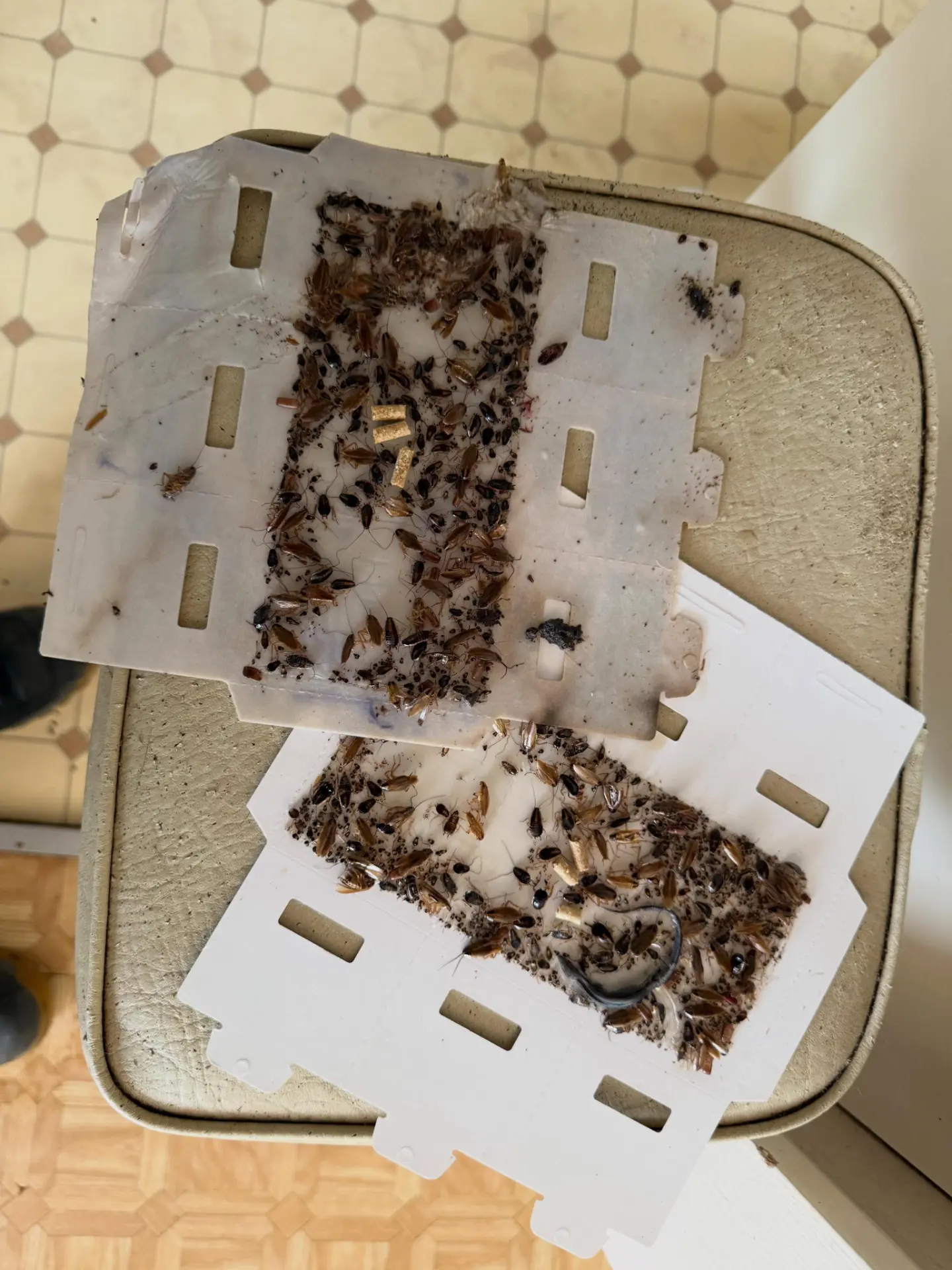
German cockroaches are removed with gel bait and an insect growth regulator placed where they hide (hinges, appliance gaps, under sinks and behind the fridge), plus a follow-up visit about 14 days later to catch nymphs that hatch from egg cases. Surface sprays and bombs usually fail because they miss harbourages and can scatter the population. Remove food and grease, fix leaks, and keep baited areas free of cleaning sprays while the program works.
German cockroaches are the smallest domestic cockroach in Sydney and also the most stubborn. They do not wander in from the garden after rain. They are carried inside in cardboard boxes, grocery bags, second-hand appliances or shared laundry baskets, and once they find a warm kitchen with food and water, they stay.
What makes German cockroaches different
Unlike Australian or smoky brown cockroaches, German cockroaches prefer to live indoors. They hide in warm, humid areas close to food: under the sink, behind the fridge motor, inside the dishwasher, under the microwave and along the hinges of kitchen cupboards.
A female carries an egg capsule holding 30 to 40 nymphs, and those nymphs can mature in as little as six weeks under the right conditions. That is why a few sightings in January can become a full kitchen infestation by March.
Signs you have an established problem
Live cockroaches during the day are the most obvious sign. In a light German cockroach infestation they only move at night, so daytime activity usually means overcrowding behind the scenes.
Look for small black droppings like pepper grains along the back of the pantry, behind the toaster, along the edges of cupboards and inside drawer tracks. You may also notice a musty, oily smell in a heavy infestation, or empty egg capsules stuck behind the fridge.
Why supermarket sprays often make it worse
Aerosol sprays kill the cockroaches you can see, but they do not reach the egg capsules or the nymphs hiding in cracks. Worse, the repellent effect can push the colony deeper into appliances, spread them into the next room, or make the next professional treatment harder.
German cockroaches have also built resistance to some older over the counter actives. When you see them again a week after spraying, it is not because you missed one. It is because the treatment never reached the source.
What professional treatment looks like
At PestGuard Sydney we treat German cockroaches with a targeted combination: gel baits placed in the cracks they use, an insect growth regulator to stop nymphs from maturing, and non repellent dust in roof voids and wall cavities where they travel.
The bait is carried back to the harbourage and shared through the colony, so it reaches the females and the egg capsules aerosols cannot touch. We also inspect the kitchen and surrounding rooms to find how the infestation started and stop it from coming back.
Prevention after the treatment
Seal opened food in containers, empty the toaster crumb tray, wipe under the microwave and fridge, and fix dripping taps. Do not store cardboard from the supermarket in the pantry long term; it is one of the most common ways German cockroaches enter a home.
In apartments and townhouses, the infestation can move through shared plumbing and wall cavities. If a neighbour has them, your home is at risk even if you keep everything clean. In those cases, a scheduled maintenance plan is the most reliable protection.
Quick takeaways
- German cockroaches live indoors, not in the garden
- Daytime sightings usually mean a large, established population
- Supermarket sprays push the colony deeper and rarely fix the source
- Professional gel baiting plus a growth regulator reaches the colony
- Cardboard and second hand appliances are common entry points
Related services
German Cockroach Control
Targeted gel baiting, growth regulator and cavity dusting.
View German Cockroach ControlCommercial Pest Control
Kitchens, cafes and food premises kept audit-ready.
View Commercial Pest ControlResidential Pest Control
Scheduled maintenance for units and townhouses with shared walls.
View Residential Pest Control- 5.0 from 100+ Google reviews
- 6-month warranty
- Licensed & insured
Keep reading
Termites
Termite Swarming Season in Sydney: What to Watch For
Flying termites after a warm, humid evening are not a random event, they are a colony telling you it is established nearby. Here is what that means for Sydney homes.
Read guideSeasonal
Spring Pest Activity Across Western & South-West Sydney
Every spring the same call comes in: ants overnight, webs on the eaves, wasps at the back door. Here's why it happens all at once, and how to get ahead of it.
Read guide